














Immersive Translate
Upgrade to Pro
English
简体中文
繁體中文
繁體中文(香港)
English
日本語
العربية
Deutsch
Español
Français
हिन्दी
Italiano
한국어
Português
Português (Brasil)
Русский
google
openAI
Gemini
DeepL
Microsoft
Tencent Hunyuan
Volctrans
Youdao
DeepSeek
Baidu
Niu
Caiyun
Hunyuan
OpenL
BigModel
SiliconFlow
google
openAI
Gemini
DeepL
Microsoft
Tencent Hunyuan
Volctrans
Youdao
DeepSeek
Baidu
Niu
Caiyun
Hunyuan
OpenL
BigModel
SiliconFlow
google
openAI
Gemini
DeepL
Microsoft
Tencent Hunyuan
Volctrans
Youdao
DeepSeek
Baidu
Niu
Caiyun
Hunyuan
OpenL
BigModel
SiliconFlow

Why Choose Immersive Translate
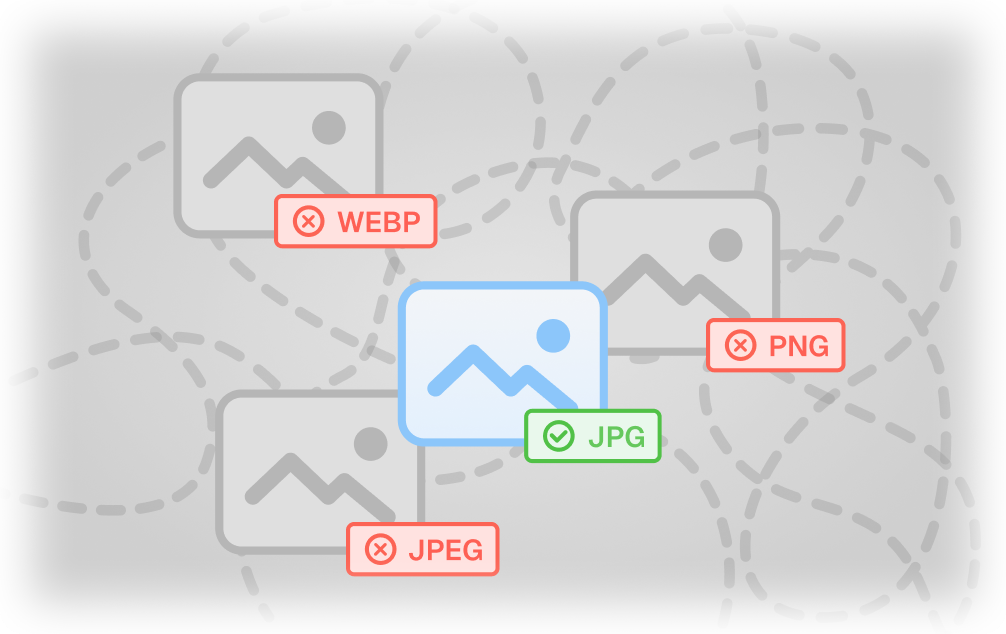
Previously, translating infographics meant dealing with messy text overlays and format restrictions. Now, Immersive Translate delivers natively designed results with full JPG, JPEG, PNG, and WEBP support through flexible web and browser workflows.
Before
user-pain-points
User Pains
Limited format support and low OCR accuracy for infographics.
Cumbersome workflows disrupt reading or design research flow.
Flat text overlays cover data and ruin visual layout.
After
happy-emoji
solutions
Immersive Translate Solution
happy-emojiSupports JPG, JPEG, PNG, and WEBP with high OCR accuracy for infographic translator images and format-specific text detection.
happy-emojiWeb upload and browser-extension right-click provide smooth entry points, while batch workflows help with larger infographic translator image sets.
happy-emojiOCR-precise detection and Inpaint background restoration place translation naturally inside infographic translator visuals, preserving layout and typography.

Tips for Getting the Best Infographic Translator Results

Apply these specific practices to preserve data clarity and layout structure when translating complex visuals with an infographic translator. Use these tips to improve infographic translator translation quality in practical.
Do
Upload high-resolution source images.
Crop closely around data text blocks.
Select clean sans-serif source fonts.
Use uncompressed PNG or WEBP formats.
Don't
Avoid blurry or pixelated screenshots.
Don't submit images with heavy background noise.
Avoid complex, decorative, or handwritten fonts.
Don't crop off text edges or legends.

Top Features of an Infographic Translator
Intelligent Background Reconstruction

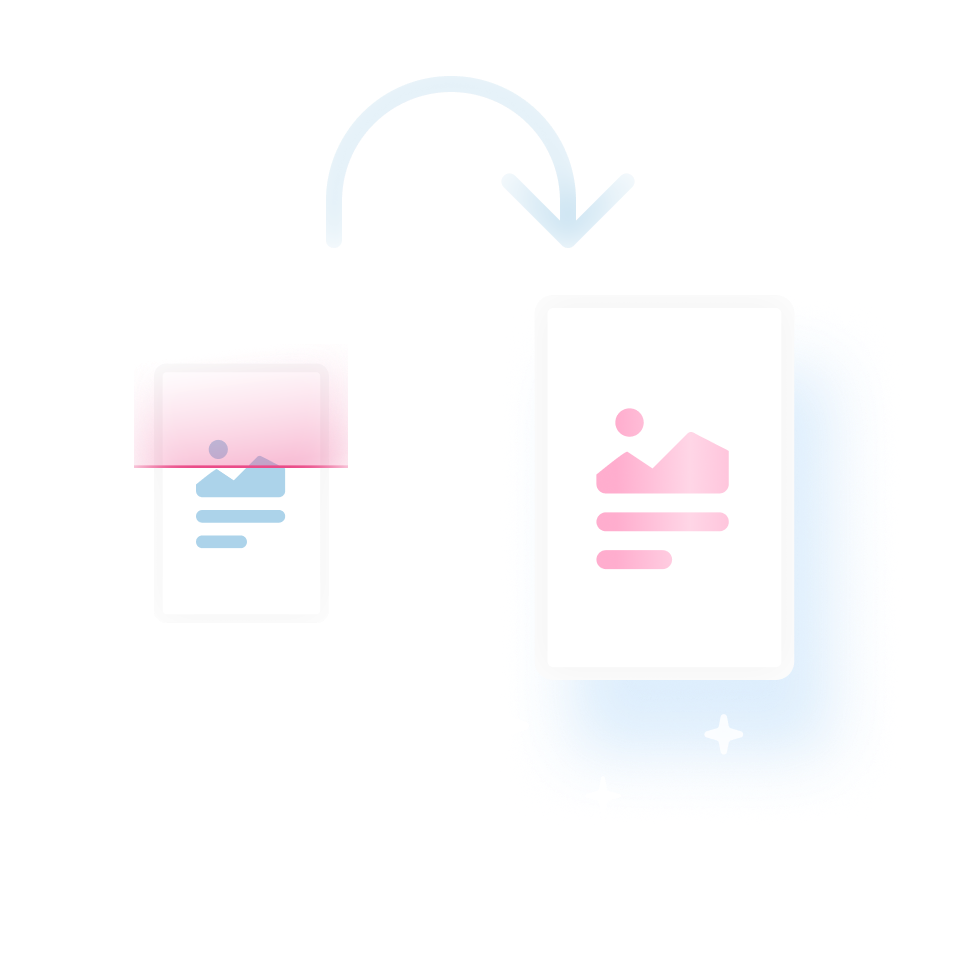
Inpainting erases original text and rebuilds the background, ensuring the new text sits naturally within the visual hierarchy of any complex infographic. That makes infographic translator translation more useful in real reading, design, and review workflows.

Typography Integrated Into Design

Translating text inside the image preserves the original color palette and layout, avoiding the cluttered look of standard overlay boxes found in other infographic translator tools.

Typography Integrated Into Design
Flexible AI Engine Selection

Switch between 16 engines like OpenAI or DeepL to match the specific terminology needed for technical or data-driven infographics. That makes infographic translator translation more useful in real reading, design, and review workflows.

Direct Web App Upload

Upload or paste JPG, PNG, or WEBP files directly to quickly translate infographics without altering the original image resolution or format. That makes infographic translator translation more useful in real reading, design, and review workflows.

Direct Web App Upload
Auto-Detects Source Languages

Supporting over 100 language pairs, this infographic translator automatically identifies the source text to streamline the translation workflow. That makes infographic translator translation more useful in real reading, design, and review workflows.

Supported image formats

JPEG
WEBP
JPG
PNG

Infographic Translator FAQs

Does this infographic translator preserve the original design layout?
Yes, it uses an OCR and Inpaint pipeline to erase original text and reconstruct the background before placing the new text. This ensures the translated infographic retains its original visual hierarchy without blocking charts or graphics with flat overlay boxes.
How can I translate an infographic image directly from a webpage?
You can use the browser extension entry point to translate without leaving the page. Simply right-click on the infographic image to generate a translated version in place, which is perfect for researchers analyzing data visualizations in foreign articles.
Which image formats are supported by the infographic translator?
It supports JPG, JPEG, PNG, and WEBP formats. This flexibility allows you to handle high-resolution infographics downloaded as PNGs or modern web-optimized visuals saved in WEBP without needing to convert files first.
Can I choose different AI engines for complex infographic data?
Yes, you can switch between 16+ engines like OpenAI, DeepL, or Google. This lets you select the most accurate model for specific terminology in your infographic, ensuring precise translation for technical or financial charts.
Why does this tool look better than Google Translate for infographics?
While Google Translate often pastes text on top of the image, this tool removes the original text and restores the background. The result is a clean, professional infographic where the translated text feels naturally integrated into the design.
Is the infographic translator free to use?
The full image translation feature is free for all users. You can upload or paste infographics and download translated results immediately, though a Pro membership is available for higher OCR accuracy and finer layout preservation.
Can I paste a screenshot of an infographic directly for translation?
Yes, the web app accepts images pasted directly from your clipboard. This workflow allows you to instantly translate screenshots of infographics from reports or presentations and save the output as a clean image file.