














immersive translate logoImmersive Translate
English
google
openAI
Gemini
DeepL
Microsoft
Tencent Smart
Volctrans
Youdao
DeepSeek
Baidu
Niu
Caiyun
Tencent
OpenL
BigModel
SiliconFlow
google
openAI
Gemini
DeepL
Microsoft
Tencent Smart
Volctrans
Youdao
DeepSeek
Baidu
Niu
Caiyun
Tencent
OpenL
BigModel
SiliconFlow
google
openAI
Gemini
DeepL
Microsoft
Tencent Smart
Volctrans
Youdao
DeepSeek
Baidu
Niu
Caiyun
Tencent
OpenL
BigModel
SiliconFlow

Video translation demo

Why Choose Immersive Translate Video Translator
Immersive Translate video translator transforms how you consume foreign-language content by embedding real-time bilingual subtitles directly into your viewing experience. Unlike traditional tools requiring upload-translate-download workflows, it delivers instant comprehension across 60+ platforms while preserving original context through side-by-side subtitle display, making it ideal for learners, professionals, and content enthusiasts.
Before
user-pain-points
User Pains
Waiting for transcription delays understanding video content immediately
Translation-only subtitles lose original language context and nuance
Platform limitations force switching between multiple translation tools
After
happy-emoji
solutions
Immersive Translate Solution
happy-emojiReal-time bilingual subtitles enable instant comprehension while watching
happy-emojiSide-by-side display preserves original text for language learning
happy-emojiWorks seamlessly across YouTube, Netflix, and 60+ video platforms
happy-emojiAI subtitle generation translates videos without existing captions

Four steps to enjoy content in your native language

1

Copy & paste video link

2

Click Translate Video and wait a moment

3

Click Play Immediately to view

Video Translator That Works While You Watch
Real-Time Translation

Watch and understand simultaneously with instant bilingual subtitle translation powered by 20+ AI engines including ChatGPT, DeepL, and Gemini across 100+ language pairs.

Bilingual Display

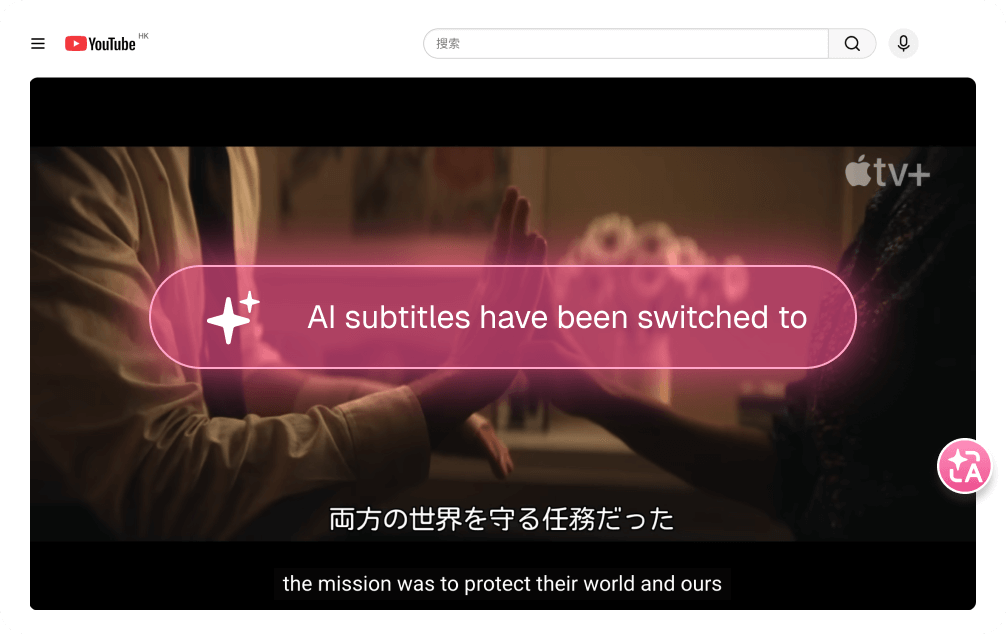
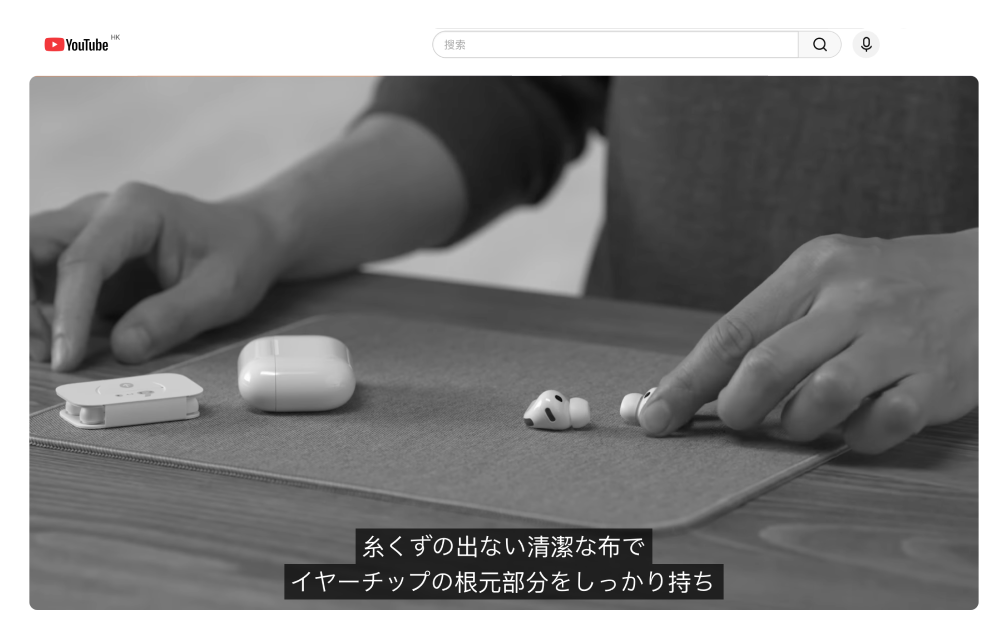
See original and translated subtitles side-by-side, preserving linguistic context while ensuring comprehension—perfect for language learners and content consumers seeking authentic understanding.


Bilingual Display
Platform-Wide Coverage

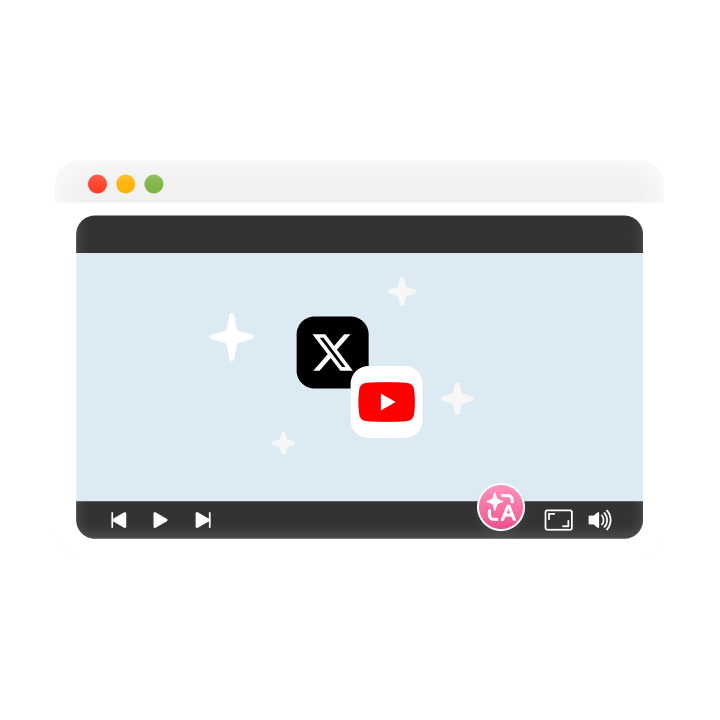
Translate videos across YouTube, Netflix, Coursera, Zoom meetings, and 60+ platforms without switching tools or leaving your current page using our browser extension.

AI Subtitle Generation

Automatically generate subtitles for videos without captions using advanced speech recognition, then translate them into your target language for complete accessibility and understanding.

AI Subtitle Generation
Instant Processing
Instant Processing

No waiting for uploads or transcription—translation happens during playback, eliminating the traditional workflow of download, process, and rewatch that other subtitle translators require.

Editable Exports

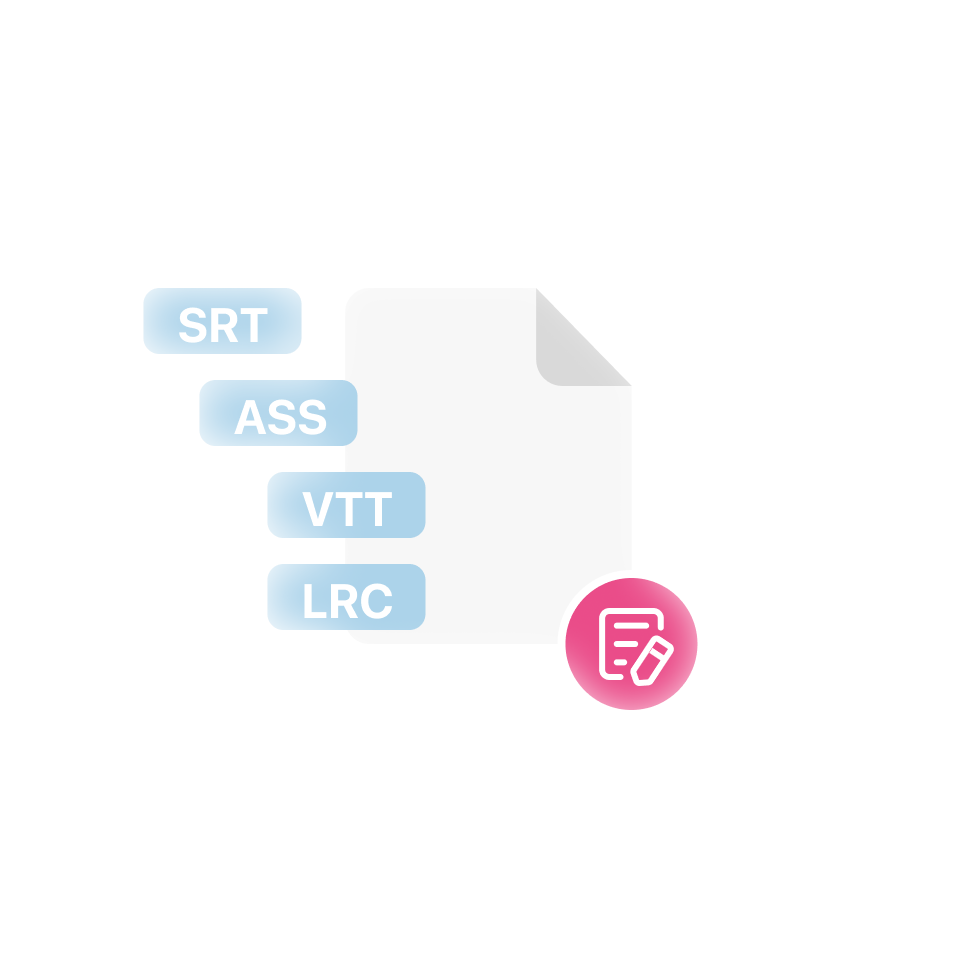
Customize translated subtitles, adjust terminology, and export bilingual files in SRT or ASS formats for content repurposing, study materials, or localization projects with full control.

Editable Exports

Supported categories

Streaming Services
Video Sharing
Online Education
Social Networking
News & Information
Creator Platforms
Developer & Technology Platforms

Frequently Asked Questions About Video Translation

Can a video translator work on videos without existing subtitles?
Yes, advanced video translation tools like Immersive Translate can handle videos that lack subtitles entirely. When you encounter a YouTube video without captions, Immersive Translate's AI subtitle generation feature automatically detects the spoken audio and creates accurate subtitles in the original language. Once generated, these subtitles are instantly translated into your target language and displayed bilingually alongside the video. This capability is particularly valuable for content creators repurposing foreign material, researchers accessing academic lectures without transcripts, or language learners exploring authentic content. The AI-powered speech recognition works across multiple languages, though accuracy depends on audio quality and speaker clarity. This eliminates the traditional workflow of manually transcribing videos before translation, saving hours of work. For users working with subtitle files directly, you can also upload SRT or ASS format files for translation and export bilingual versions for your projects.
How does real-time video translation differ from downloading and translating separately?
Real-time video translation fundamentally changes how you consume foreign-language content by integrating translation directly into your viewing experience. Traditional methods require you to download a video, extract subtitles, translate them using separate software, re-sync the timing, and then rewatch the content—a process that can take 30 minutes or more per video. With Immersive Translate's browser extension approach, translation happens simultaneously as you watch on platforms like YouTube, Netflix, or Coursera. The moment subtitles appear on screen, both the original text and translated version display side-by-side without any interruption to playback. This is especially critical for international students attending live online lectures, remote workers in cross-border Zoom meetings, or anyone binge-watching foreign series who wants immediate comprehension. The bilingual subtitle display preserves linguistic context, allowing you to learn vocabulary naturally while understanding the content. You maintain the original viewing rhythm without switching between applications or waiting for processing to complete. For professional use cases like market research or competitive analysis, this real-time capability means you can quickly scan through multiple competitor videos and extract insights without the overhead of traditional subtitle translation workflows.
Which video platforms are supported by online video translators?
Immersive Translate supports video translation across 60+ major platforms, covering virtually every content category you might encounter. For video sharing, it works seamlessly on YouTube and X (Twitter) videos. Streaming and educational platforms include Netflix, Coursera, Udemy, Khan Academy, and edX—essential for international students and lifelong learners. Professional collaboration tools like Zoom, Google Meet, and Microsoft Teams are supported for real-time meeting caption translation, which is invaluable for cross-border teams. The tool also handles embedded videos on news websites, technical documentation sites, and product demo pages. The underlying technology is platform-agnostic: if a video has detectable subtitles or audio tracks, Immersive Translate can typically provide translation. You can use it in two ways—paste a YouTube or Twitter video link into the web version for instant bilingual playback, or install the browser extension to enable real-time subtitle translation directly on any supported platform without leaving the page. This flexibility means whether you're watching a TED talk, following a Japanese anime on a streaming site, or reviewing a competitor's marketing video, you get consistent bilingual subtitle support. The extension approach is particularly powerful because it works across your entire browsing experience, automatically detecting video content and offering translation options.
Can I customize subtitle appearance when using a video translator?
Absolutely. Immersive Translate provides extensive subtitle customization options to ensure optimal readability across different viewing scenarios. You can adjust font type, size, color, background opacity, and screen position to match your preferences and viewing environment. This is particularly important because subtitle legibility varies dramatically based on screen size, viewing distance, and video content. For instance, if you're watching on a large TV from across the room, you might increase font size and add a semi-transparent background for better contrast. When viewing on a mobile device during commute, you might prefer smaller, more compact subtitles that don't obscure too much of the video. The bilingual display format itself is configurable—you can choose whether original and translated text appear stacked vertically or positioned separately on screen. For language learners, highlighting the original text in a different color helps distinguish it from the translation, reinforcing vocabulary acquisition. Content creators who export bilingual subtitles for their own videos can style them to match their brand aesthetic. These customization features ensure that whether you're a student taking notes from a lecture, a professional in a meeting, or someone casually watching entertainment content, the subtitle presentation enhances rather than hinders your viewing experience.
How accurate is AI-powered video translation compared to human translation?
AI-powered video translation through tools like Immersive Translate has reached impressive accuracy levels, though understanding its strengths and limitations helps set proper expectations. Immersive Translate integrates 20+ top-tier translation engines including ChatGPT, DeepL, DeepSeek, Gemini, and Google Translate, allowing you to choose the model that performs best for your specific language pair and content type. For general content like news, entertainment, and educational videos, modern AI translation achieves 85-95% accuracy, capturing meaning effectively even if not perfectly idiomatic. The context-aware translation capability means the system considers surrounding sentences rather than translating line-by-line in isolation, resulting in more natural, fluent output. However, accuracy depends heavily on source quality—if the original video's auto-generated captions contain errors, the translation will inherit those mistakes. Specialized content with heavy jargon (medical lectures, legal discussions, technical documentation) may require more careful review, though you can edit translated subtitles directly within Immersive Translate to correct terminology. For professional use cases requiring publication-quality translation, the tool's subtitle export feature lets you generate a bilingual draft that human translators can refine, dramatically reducing their workload. The key advantage over pure human translation is speed and cost: you get immediate comprehension while watching rather than waiting days and paying hundreds of dollars for professional subtitle translation services. For most users—language learners, international students, content consumers, and business professionals—AI translation quality is more than sufficient for understanding and decision-making purposes.
Can I export translated subtitles for use in other projects?
Yes, Immersive Translate includes robust subtitle export functionality that serves multiple professional and personal use cases. After translating a video, you can export bilingual subtitle files in standard SRT and ASS formats, which are compatible with virtually all video editing software and media players. This feature is particularly valuable for content creators who want to repurpose foreign-language material—you can translate an overseas tutorial, export the bilingual subtitles, and embed them in your own video content. YouTubers expanding into international markets use this to add multilingual subtitle options to their videos without hiring translation agencies. Researchers and students can export lecture subtitles as study notes, creating searchable bilingual transcripts for review and citation. The subtitle editing capability means you can refine translations before export, correcting terminology or adjusting phrasing to match your project's tone. For corporate training departments, this enables cost-effective localization of internal training videos across multiple languages. Market researchers analyzing competitor content can export translated subtitles to share insights with team members who don't speak the source language. The workflow is straightforward: translate the video using Immersive Translate, make any necessary edits to the subtitle text, then export in your preferred format. This transforms Immersive Translate from just a viewing tool into a complete subtitle translation and localization solution, bridging the gap between consumption and creation.
How does video translation help with language learning compared to traditional methods?
Video translation through bilingual subtitles offers a uniquely effective language learning approach that traditional methods struggle to match. When you watch content with Immersive Translate's side-by-side subtitle display, you're engaging in what linguists call 'comprehensible input'—you understand the meaning through translation while simultaneously seeing the original language structure. This dual exposure helps you naturally acquire vocabulary, grammar patterns, and pronunciation in context rather than through isolated memorization. Unlike textbook learning, you encounter language as it's actually used by native speakers, complete with colloquialisms, cultural references, and natural speech rhythms. The ability to pause, replay, and study specific phrases while seeing both languages creates a self-paced immersion environment. Language learners report that watching 30 minutes of bilingual subtitle content daily produces faster speaking and listening improvements than traditional classroom hours because you're training your brain to process the target language in real-time. The platform's support for 100+ language pairs means you can learn less commonly taught languages where quality learning materials are scarce. For advanced learners, you can gradually reduce reliance on translation by focusing more on the original subtitles, using translation only for unfamiliar terms. The video translation approach also maintains motivation better than textbooks because you're learning through content you genuinely enjoy—whether that's Korean dramas, Japanese anime, French cooking shows, or Spanish news broadcasts. This emotional engagement significantly improves retention compared to rote memorization methods.