immersive translate logoImmersive Translate
English
google
openAI
Gemini
DeepL
Microsoft
Tencent Smart
Volctrans
Youdao
DeepSeek
Baidu
Niu
Caiyun
Tencent
OpenL
BigModel
SiliconFlow
google
openAI
Gemini
DeepL
Microsoft
Tencent Smart
Volctrans
Youdao
DeepSeek
Baidu
Niu
Caiyun
Tencent
OpenL
BigModel
SiliconFlow
google
openAI
Gemini
DeepL
Microsoft
Tencent Smart
Volctrans
Youdao
DeepSeek
Baidu
Niu
Caiyun
Tencent
OpenL
BigModel
SiliconFlow

Video translation demo

Chinese Movie with Spanish Subtitles Made Easy
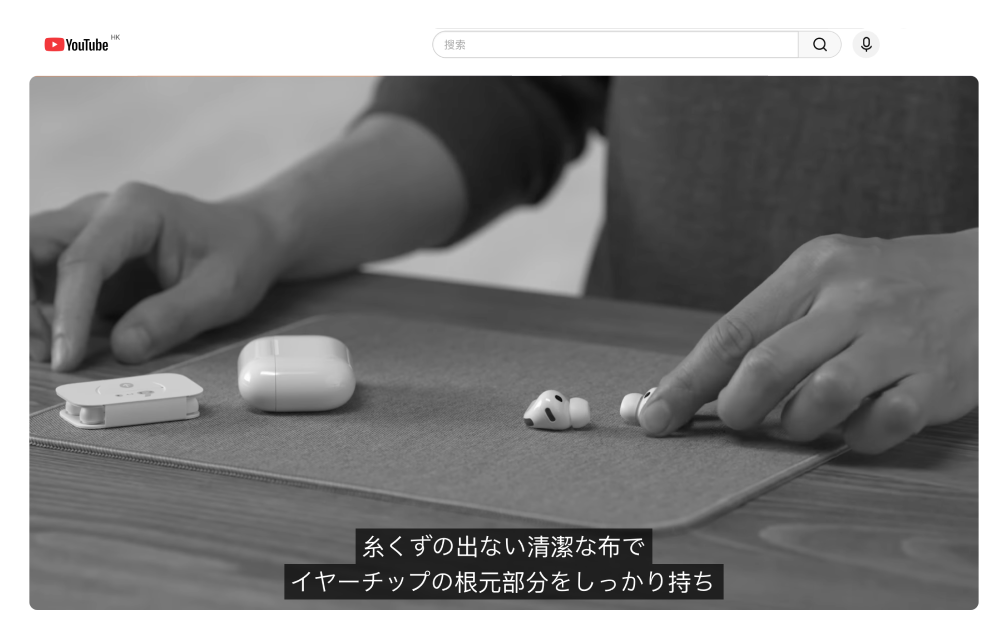
Immersive Translate Video Translator transforms how you watch Chinese films by providing real-time bilingual subtitles. Unlike traditional tools requiring downloads and processing delays, it displays Spanish translations alongside original Chinese text instantly during playback, preserving cultural context while ensuring comprehension across major streaming platforms.
Before
user-pain-points
User Pains
Waiting hours for subtitle files to process and download
Losing original Chinese context with Spanish-only subtitle translations
Poor translation quality missing cultural nuances and idioms
After
happy-emoji
solutions
Immersive Translate Solution
happy-emojiInstant bilingual subtitles without any processing wait time
happy-emojiSide-by-side Chinese and Spanish text preserves cultural context
happy-emoji20+ AI engines ensure accurate translation of Chinese idioms
happy-emojiWorks directly on Netflix, YouTube without leaving the platform

Four steps to enjoy content in your native language

1

Copy & paste video link

2

Click Translate Video and wait a moment

3

Click Play Immediately to view

Watch Chinese Movies with Spanish Subtitles Instantly

Bilingual Display
Bilingual Display

View original Chinese and Spanish subtitles side-by-side simultaneously, helping you understand dialogue while appreciating authentic linguistic nuances and cultural expressions in Chinese films.

Real-Time Translation

No waiting for subtitle files or post-processing—watch Chinese movies with instant Spanish translation as scenes unfold, maintaining your viewing momentum and emotional engagement throughout.


Real-Time Translation
AI Subtitle Generation

For Chinese films lacking Spanish subtitles, our AI automatically generates accurate captions from audio, then translates them into Spanish, unlocking previously inaccessible content.

Multiple Platforms

Access Chinese cinema with Spanish subtitles across YouTube, streaming services, and video platforms through browser extension or web interface, ensuring consistent experience everywhere.

Multiple Platforms
Customizable Styles
Customizable Styles

Adjust Spanish subtitle font size, color, and position to match your viewing preferences, ensuring optimal readability whether watching on mobile devices or large screens.

Subtitle Export

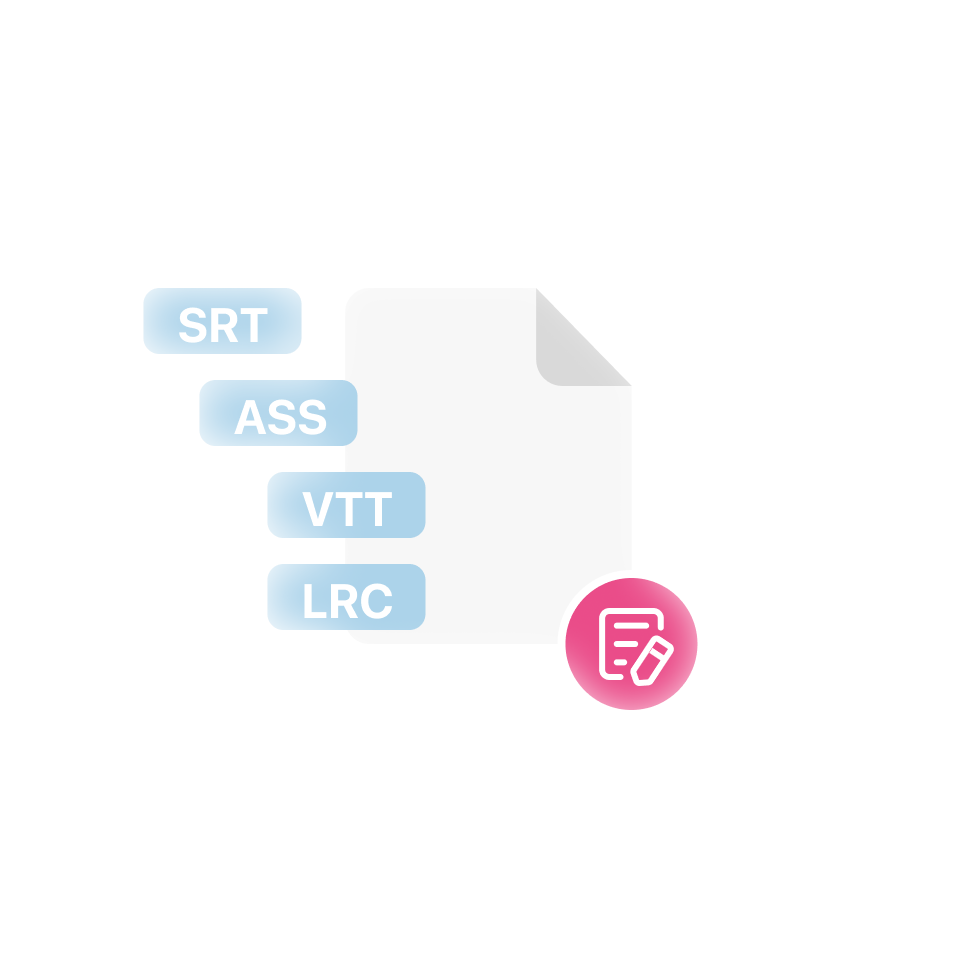
Download bilingual Chinese-Spanish subtitle files in SRT format for offline viewing, language study, or sharing with others interested in Chinese cinema content.

Subtitle Export

Supported categories

Streaming Services
Video Sharing
Online Education
Social Networking
News & Information
Creator Platforms
Developer & Technology Platforms

Frequently Asked Questions About Watching Chinese Movies with Spanish Subtitles

How can I watch Chinese films with Spanish subtitles when they're not officially available?
Many Chinese movies on streaming platforms like Netflix, YouTube, or specialized Asian cinema sites don't come with Spanish subtitle options, which creates a significant barrier for Spanish-speaking audiences. Immersive Translate solves this problem by providing real-time bilingual subtitle translation directly within your browser. When you're watching a Chinese movie that only has English or Chinese subtitles, the tool automatically translates them into Spanish while keeping the original text visible side-by-side. This dual-subtitle approach is particularly valuable because you can verify translation accuracy by comparing both languages, which is essential when dealing with culturally-specific Chinese idioms or historical references that don't translate literally. The browser extension works seamlessly across 60+ video platforms, meaning whether you're watching a wuxia epic on YouTube, a contemporary drama on Viki, or a classic film on a Chinese streaming service, you get consistent Spanish subtitle support without switching between different tools or waiting for manual subtitle files to be created by fan communities.
What's the best way to understand Chinese cinema terminology and cultural references in Spanish?
Chinese movies are rich with cultural concepts, historical allusions, and specialized terminology that generic translation tools often mistranslate or leave confusing. For instance, terms like '武侠' (wuxia), '功夫' (kung fu), or '春节' (Spring Festival) require contextual understanding beyond word-for-word translation. Immersive Translate addresses this challenge through its integration of 20+ premium AI translation engines including ChatGPT, DeepL, and Gemini, which provide context-aware translations rather than literal word substitutions. When watching Chinese period dramas or martial arts films with Spanish subtitles generated by Immersive Translate, you'll notice that cultural terms are translated with appropriate Spanish equivalents or explanatory phrases. Additionally, the subtitle editing feature allows you to pause and modify translations if you encounter a term that seems unclear—you can research the proper Spanish translation and save it for future reference. For language learners or cinema enthusiasts who want to deepen their understanding, the bilingual display means you can see the original Chinese characters alongside the Spanish translation, helping you gradually recognize recurring cultural concepts and build your vocabulary of Chinese cinema terminology in both languages.
Can I create Spanish subtitle files from Chinese movies for offline viewing or sharing?
Absolutely. One of Immersive Translate's most practical features for Chinese movie enthusiasts is the ability to export bilingual subtitle files in standard formats like SRT and ASS. Here's how this works in practice: After watching a Chinese film with real-time Spanish translation through Immersive Translate, you can export the complete bilingual subtitle file that contains both the original Chinese text and the Spanish translation with precise timestamps. This exported file can then be used with any media player that supports external subtitles, allowing you to watch the movie offline on your TV, tablet, or during travel without internet connection. This feature is particularly valuable for film students, cultural researchers, or Chinese cinema clubs who want to organize Spanish-language screenings of Chinese movies that lack official Spanish subtitles. You can also share these subtitle files with friends or community members who speak Spanish and want to experience the same Chinese films. The subtitle editing capability means you can refine the Spanish translations before exporting—correcting any awkward phrasings, adjusting cultural references to be more understandable for Spanish-speaking audiences, or adding explanatory notes for particularly complex scenes. This transforms Immersive Translate from just a viewing tool into a complete subtitle creation solution for Chinese movies in Spanish.
How accurate are AI-generated Spanish subtitles for Chinese movies compared to professional translations?
The accuracy of AI-generated Spanish subtitles for Chinese films has improved dramatically with modern translation engines, though understanding the nuances helps set proper expectations. Immersive Translate leverages multiple top-tier AI models including ChatGPT, DeepL, and DeepSeek, which have been trained on vast multilingual datasets including Chinese-Spanish language pairs. For contemporary Chinese movies with modern dialogue, the translation quality typically ranges from 85-95% accuracy, capturing the essential meaning, emotional tone, and conversational flow effectively. However, certain categories of Chinese cinema present specific challenges: classical wuxia films with archaic Chinese expressions, historical dramas with period-specific language, or art films with poetic dialogue may occasionally produce translations that feel slightly literal or miss subtle wordplay. The key advantage of Immersive Translate is the bilingual subtitle display—you can immediately spot when a Spanish translation seems off by comparing it with the original Chinese or English subtitles if available. For critical viewing situations like academic research or professional film analysis, you can use the subtitle editing feature to refine translations, consulting Chinese-Spanish dictionaries or cultural references to perfect the Spanish rendering. Additionally, you can switch between different AI translation engines within Immersive Translate to compare how ChatGPT versus DeepL translates the same Chinese dialogue into Spanish, often finding that one engine handles certain types of content better than others. This flexibility ensures you're getting the most accurate Spanish subtitles possible for any Chinese movie genre.
Which Chinese movie streaming platforms work with Spanish subtitle translation tools?
Immersive Translate's browser extension provides Spanish subtitle translation across an extensive range of platforms where Chinese movies are available, making it a universal solution rather than being limited to one or two services. Major platforms fully supported include YouTube, where you'll find countless Chinese films both classic and contemporary, often with Chinese or English subtitles that can be translated to Spanish in real-time. Netflix's growing Chinese cinema collection works seamlessly with the extension, allowing you to add Spanish translations even when Netflix only offers Chinese, English, or other language subtitle options. Specialized Asian content platforms like Viki, iQIYI, Youku, and Tencent Video—which host extensive libraries of Chinese movies and dramas—are all compatible, meaning you can watch everything from Zhang Yimou's artistic masterpieces to modern Chinese romantic comedies with Spanish subtitles. For film students and researchers, the tool also works on educational platforms like Kanopy or university streaming services that host Chinese cinema collections. The web-based translation feature offers an alternative approach: simply paste the URL of a Chinese movie from YouTube or supported platforms, and Immersive Translate will fetch the existing subtitles, translate them to Spanish, and provide a viewing interface with bilingual subtitles. This dual-method approach (browser extension for direct platform integration, or web version for link-based translation) ensures that virtually any Chinese movie you find online can be watched with Spanish subtitles, regardless of whether the platform officially supports Spanish or not.
How can I use Spanish-subtitled Chinese movies for language learning purposes?
Watching Chinese movies with Spanish subtitles through Immersive Translate creates a powerful trilingual learning environment, especially valuable for Spanish speakers learning Chinese or Chinese speakers learning Spanish. The bilingual subtitle display is the cornerstone of this learning approach—you simultaneously see the original Chinese dialogue and the Spanish translation, allowing you to make direct connections between the two languages. For Spanish-speaking students of Mandarin, this means you can watch authentic Chinese cinema while understanding the plot through Spanish subtitles, but also observing how Chinese sentence structures, grammar patterns, and vocabulary differ from Spanish. You can pause at any moment to study a particular Chinese phrase, see its Spanish equivalent, and even edit the subtitle to add your own learning notes. The ability to switch between 20+ translation engines lets you compare different Spanish interpretations of the same Chinese dialogue, deepening your understanding of nuance and context. For more advanced learners, you can enable Chinese and Spanish subtitles while also activating English subtitles if available, creating a three-way comparison that reveals how the same concept is expressed across languages. The subtitle export feature transforms movies into study materials—you can export the bilingual Chinese-Spanish subtitle file and use it for review sessions, creating flashcards from movie dialogue, or analyzing how different Chinese movie genres (historical dramas, modern comedies, action films) use language differently. This immersive approach to language learning through cinema is far more engaging than textbook study, as you're absorbing Chinese language patterns while enjoying compelling stories and gaining cultural insights that pure language study cannot provide.
What should I do if the Spanish translation of a Chinese movie subtitle seems incorrect or confusing?
Encountering imperfect Spanish translations when watching Chinese movies is not uncommon, especially with culturally complex content, but Immersive Translate provides several solutions to address this. First, utilize the translation engine switching feature—if the default Spanish translation seems awkward or inaccurate, you can instantly switch to a different AI model (from ChatGPT to DeepL, Gemini, or others) to see alternative Spanish renderings of the same Chinese dialogue. Often, different engines excel at different content types: DeepL might handle literary Chinese dialogue more elegantly, while ChatGPT might better capture modern slang or humor in Spanish. Second, leverage the bilingual subtitle display as a verification tool—by seeing both the original Chinese and the Spanish translation simultaneously, you can identify when something seems off. If you have any knowledge of English, you can also enable English subtitles (if available on the platform) to create a three-way comparison, helping you understand what the Chinese dialogue actually means before judging the Spanish translation. Third, use the subtitle editing feature to manually correct problematic translations. When you encounter a Spanish phrase that doesn't make sense or misses the cultural context, you can pause, edit that specific subtitle line with a more appropriate Spanish translation, and these corrections will be preserved if you export the subtitle file. For recurring issues with specific Chinese terms or names, you can create a personal glossary approach—noting how certain Chinese cinema concepts should be translated to Spanish for your own reference. Finally, for Chinese movies that are particularly important to you, consider using the subtitle file translation feature: if you can find the original Chinese subtitle file (.srt format) online, you can upload it to Immersive Translate, translate it to Spanish with your preferred engine, review and edit the entire translation carefully, and then use this perfected Spanish subtitle file for the highest quality viewing experience.